Mobydisc said...
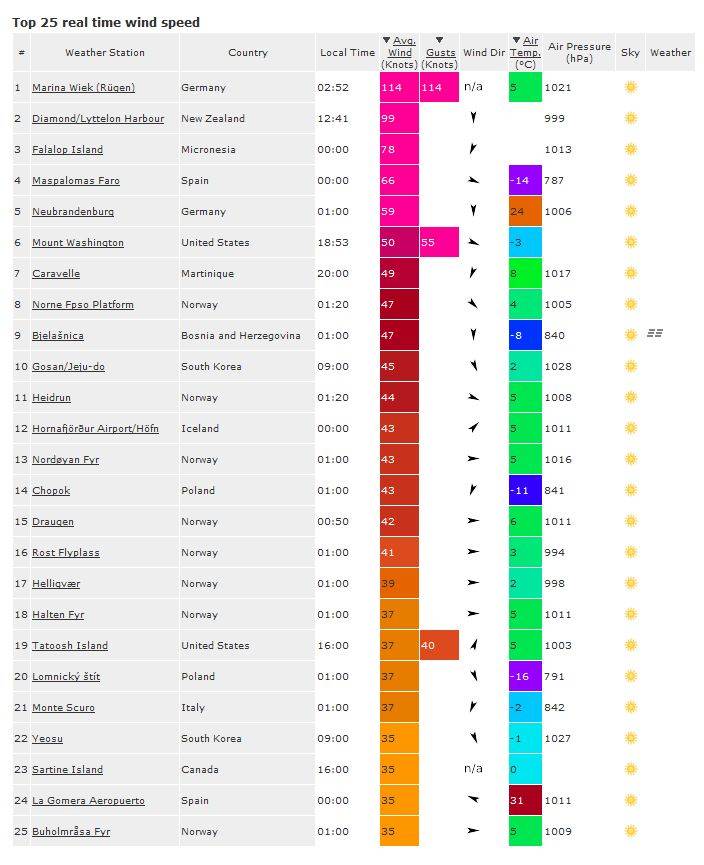
Wind speed can actually be measured and compared using units standard units of measurement. So 50 knots of wind in Timbuktoo does equal 50 knots of wind in New York City.
Of course the effect of that wind differs from place to place and the effect also depends on the direction and many other factors. This amongst many things makes the world such an intersting place.
Have to disagree with that. It is very difficult to quantify turbulent flow. Even at one height, boundary layer meteorologists have to try very hard to characterise the flow.
As well as mean wind, there's the standard deviation of the fluctuations in the direction of flow. Then there's the two standard deviations transverse to the flow. Horizontal and vertical. The frequency spectrum of the turbulence also needs quantifying. The 3 standard deviations are just not enough.
That's just at one height, then you've got to think about the profile. And as a sail spans 4 metres vertically the profile is important.
The profile depends on the roughness of the surface, the atmospheric stability and probably a few other things I didn't quite absorb or can recall from when I last looked into the subject. The surface roughness is of course not constant. As the wind flows it will run into a change in roughness. If the profile was stable, the new surface will now distort it from the bottom. If this new surface remains constant for a long distance a new equilibrium (logarithmic looking possibly) may develop, but more than likely there will be another change in surface texture, causing another distortion to ripple up through the profile.
Wind outside a wind tunnel is impossible to measure accurately. Anything you come up with is just a rough estimate.
I'd heard someone say once that if sailing hadn't yet been invented, and you bounced the idea off a boundary layer meteorologist, he'd say "impossible, can't be done"


 " ... qualified to discuss here ... ??
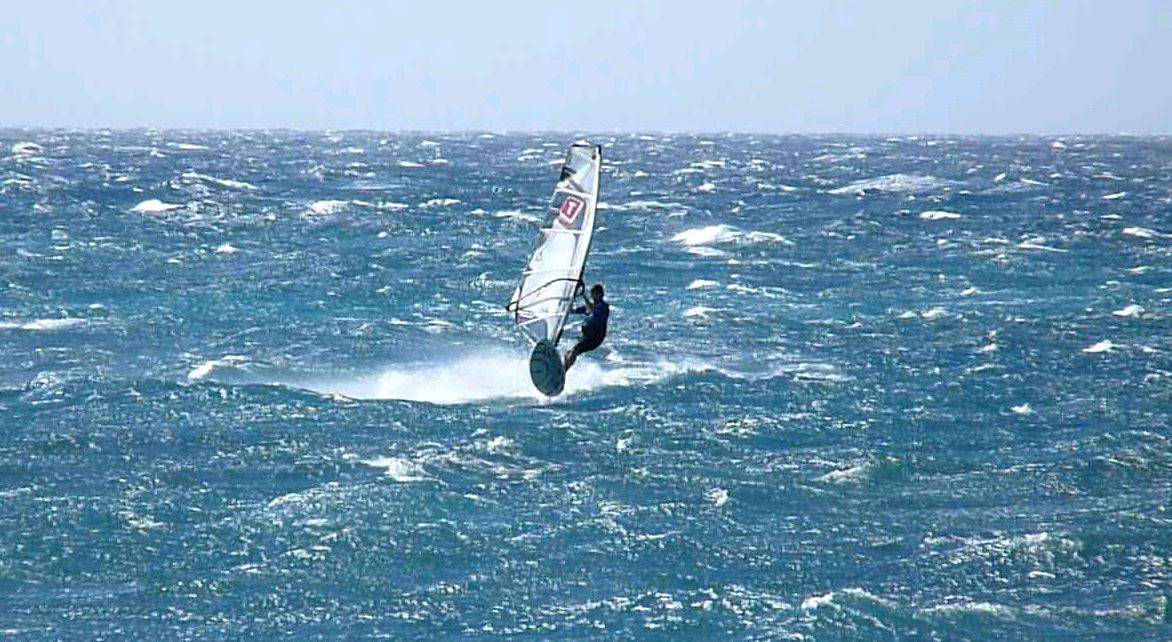


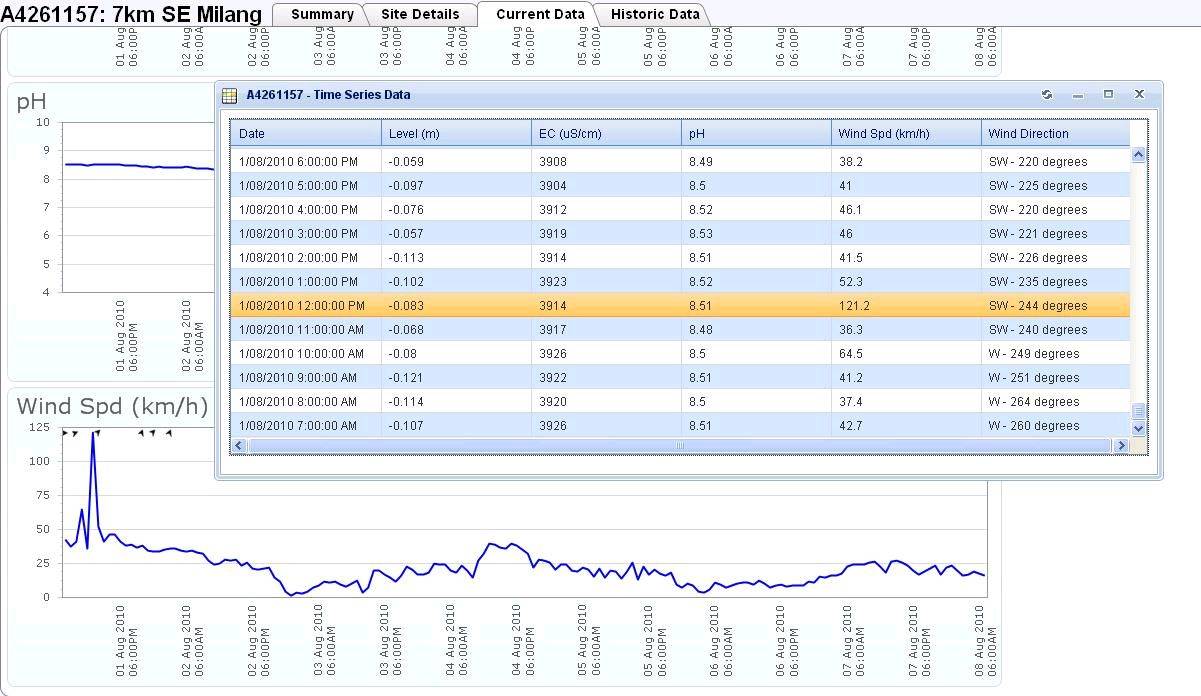

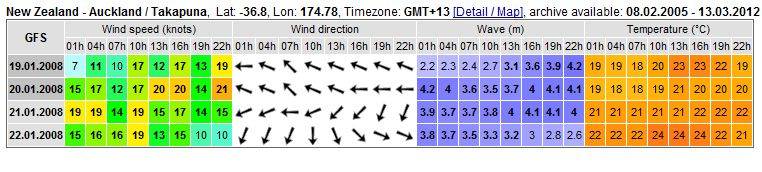








 for Ice surfing