This study found that a growing human population had little to do with the increased number of sharks, as water activity participation had not increased. Instead, a boom in the humpback whale numbers and changes in the seal population were cited as the most likely culprits, with two thirds of bites occurring in the spring and winter months when whales are off the coast of WA.
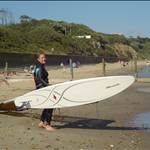
Professor Sprivulis said he hopes that a greater awareness of the risks will lead to changes in the way West Australians use the water.'It may be that people choose to move away from body boarding or short board surfing in winter to the use of longboards or stand-up paddleboards or skis as a way of reducing their own risk,' he said.'One of the reasons I did the paper was to make the surfers down south aware that the days when one could surf for pretty much an entire surfing lifetime without encountering a shark are almost certainly over.'
www.washarkattacks.net/sprivulis-shark-paper.pdf